

One of the bigger mistakes I made as a high school wrestler (1989-93) is still a common issue with many wrestlers. And, when I see injured wrestlers, most of them either skip athletic strength training altogether or train like bodybuilders who exercise predominantly on machines and with cables.
This style of training builds the slow muscle fibers and, although you might look good, you do not perform like an explosive athlete; the way a wrestler must perform.
On the flip side, if you train for performance, you get the great physique. Focusing on a great physique does not build great performance.
With the high volume of wrestling most wrestlers do with club and high school, you must spend your time wisely. You can’t waste your time on bodybuilding-style workouts that don’t build these crucial components for wrestling:
- Strength;
- Power;
- Durability (machines don’t promote joint stability);
- Flexibility and Mobility
When I see wrestlers with the common knee and shoulder injuries, certainly some of them are accidents; there is always a chance of injury. But the majority are from simply not performing proper athletic strength training and/or they are not consistent in the weight room.
The exercises below can be done with a variety of tools:
- Barbell;
- Dumbbell;
- Kettlebell;
- Sandbag / Heavy Medicine Ball;
- Sleds (Can make with a spare tire attached to rope or tow straps)
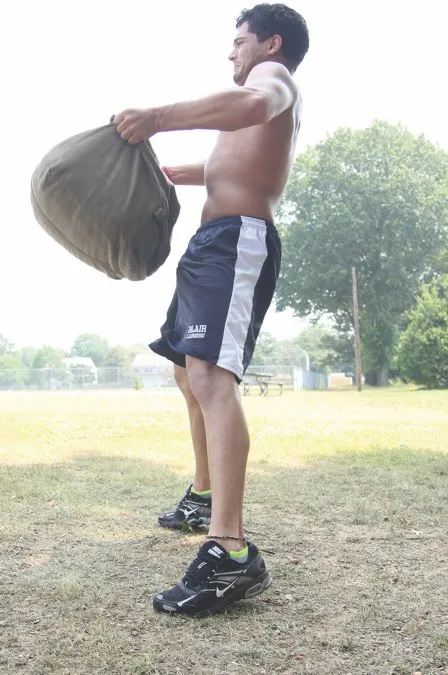
Then, there are the following:
Zercher Squat – This squat variation forces the trunk to stabilize and builds full-body strength. Back squats load your spine, front squats load the anterior core/trunk and deadlifts load the spine as well. Zercher Squats are done with double underhooks under the weight, forcing your posture to be upright and bracing the trunk/core. Perform these for 5-10 reps.
Pull-Ups / Rope Climbs – Every wrestler should be able to manipulate and move their own body, including the heavyweights. Change your grips regularly and add weight if 10 reps are easy on pull-ups.
Power Clean from Floor (Barbell/Kettlebells/Sandbag) – You must be able to pick up a heavy object form the floor and lift it to your shoulder/rack position. You should be able to do this with multiple objects, not just a barbell or whatever training tool you favor. The key is to be “strong all-around.” Sandbags are great because you need to pick up an awkward object. You can practice as well by lifting a partner from multiple positions.
Push-Ups/Dips – Wrestlers should be able to do 50 push-ups in a row. Yes, in a row. It’s also not benching a barbell or dumbbells, a perfect push-up with a full range of motion and the entire torso/trunk straight like a ruler; not the common “wrestler push-up” with a sagging core, head down, half reps and no lock out.
Dips depend on the age of the wrestler and shoulder health. Not all can handle dips because of rib cartilage developing or shoulder issues. Often, poor shoulder health comes from a lack of strength in pulling and a lack of shoulder stability from weak posterior muscles.
Lunging and Jumping/Jumping Rope – Wrestlers must be strong from the lunge and split-squat position. In addition, they should all be able to jump on or over obstacles. It doesn’t matter how much you squat or deadlift if you can’t run or jump.
Jumping rope is a great tool for lower-body speed, power, coordination and conditioning. You can manipulate time, reps and foot work to change the effect of jumping rope. A wrestler who can’t jump rope is limiting their abilities on the mat.
Sprinting – Especially hill sprints are one of the more effective methods for leg speed, leg power and conditioning. Stop running slow long distance, which only beats up your knees and ankles; especially for upper weights. Slow long-distance running is one of the worst things for these heavier athletes.
Tumbling and Basic Gymnastics – Forward and backwards rolls, cartwheels and round-offs (leading both left and right) should all be seamless and easy for a wrestler.
Remember, there is no such thing as weak and successful. Great wrestlers are strong, powerful and athletic.
This doesn’t happen by accident. It happens through commitment to the tried-and-true training methods that have been proven to work for centuries. We’ve been implementing these movements since 2002 when The Underground Strength Gym began.
To be ready to win, do the work!

With 25 years experience, Zach Even-Esh is a strength and performance coach in New Jersey, the founder of The Underground Strength Gym and author of The Encyclopedia of Underground Strength. Zach also serves as a consultant for coaches and teams who seek elite performance. You can connect with Zach at https://ZachEven-Esh.com and @zevenesh on social media.
Related Articles
2021 Olympic Trials will not take place at Penn State
2021 Olympic Trials will not take place at Penn State
8 Feb 2021
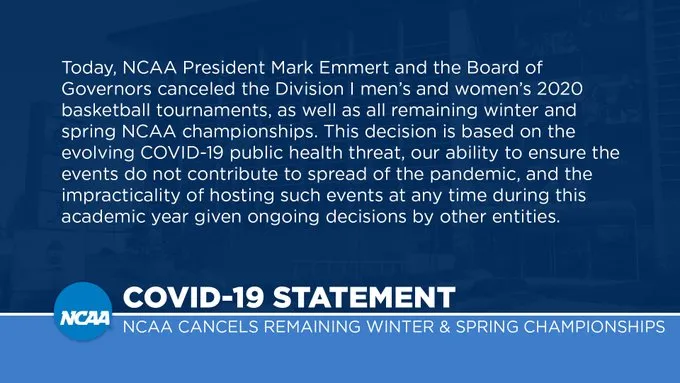
NCAA Championships Cancelled
NCAA Championships Cancelled
12 Mar 2020

30th Annual WIN Show to be held during NCAAs in Minneapolis
30th Annual WIN Show to be held during NCAAs in Minneapolis
9 Mar 2020

WIN’s 2020 Championships Postseason Coverage
WIN’s 2020 Championships Postseason Coverage
9 Mar 2020
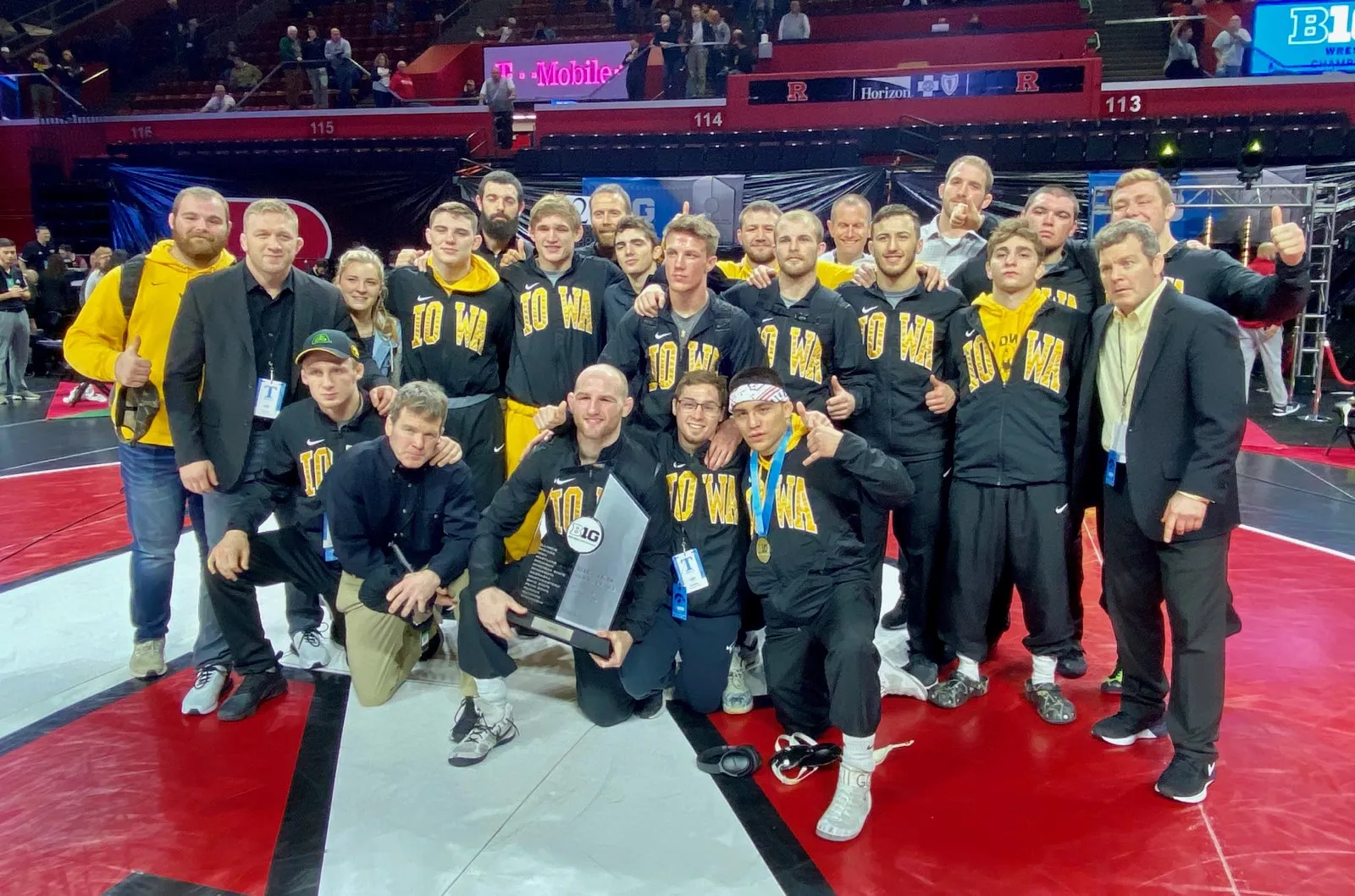
Iowa crowns three champs, earns 36th all-time Big Ten title
Iowa crowns three champs, earns 36th all-time Big Ten title
8 Mar 2020
-
2021 Olympic Trials will not take place at Penn State
2021 Olympic Trials will not take place at Penn State
8 Feb 2021
-
NCAA Championships Cancelled
NCAA Championships Cancelled
12 Mar 2020
-
30th Annual WIN Show to be held during NCAAs in Minneapolis
30th Annual WIN Show to be held during NCAAs in Minneapolis
9 Mar 2020